

Hey there! I'm a supplier of yarn dyed carpets, and I know these carpets have their fair share of fans. They're popular for their vibrant colors and unique patterns, with options like Woven Rugs, Striped Rugs for Bathroom, and U-Shaped Yarn Dyed Toilet Rugs. But like anything else, they also come with some disadvantages. Let's dive into them.
High Production Costs
One of the major downsides of yarn dyed carpets is the high cost of production. Unlike piece-dyed carpets where the entire carpet is dyed after it's woven, yarn dyed carpets involve dyeing the individual yarns before the weaving process. This requires a lot more time, labor, and resources.
Each color of yarn has to be dyed separately, and then carefully arranged during the weaving to create the desired pattern. This meticulous process not only takes longer but also means that there's a higher chance of errors. If a mistake is made during the dyeing or weaving, it can be really costly to correct. As a result, the price of yarn dyed carpets is often significantly higher than other types of carpets. This can be a real deterrent for budget - conscious customers who are looking for an affordable flooring option.
Limited Design Flexibility
Another drawback is the limited design flexibility. Once the yarns are dyed, it's pretty much set in stone. Changing the design during the production process is extremely difficult and expensive.
For example, if a customer wants a last - minute change to the pattern or color combination of a yarn dyed carpet, it's not as simple as making a few adjustments on a piece - dyed carpet. The entire process might have to be restarted, which means more time and money. This lack of flexibility can be a problem for designers and customers who want to experiment with different looks or make quick changes to their projects.
Longer Lead Times
Due to the complex production process, yarn dyed carpets usually have longer lead times. From dyeing the yarns to weaving them into the final carpet, every step takes time.
First, the yarn has to be sourced, then dyed, and finally woven. Each of these steps can be affected by various factors such as the availability of raw materials, the capacity of the dyeing and weaving machines, and the skill level of the workers. All these factors combined mean that it can take weeks or even months to produce a yarn dyed carpet. This can be a big issue for customers who need carpets quickly, especially for time - sensitive projects like commercial renovations or new construction projects with tight deadlines.
Color Fastness Issues
Although yarn dyed carpets are known for their rich and vibrant colors, they can sometimes have color fastness issues. Over time, especially with exposure to sunlight, high traffic, and cleaning chemicals, the colors of the yarn dyed carpets may start to fade.
The dyes used in yarn dyed carpets are not always able to withstand long - term exposure to these elements. Sunlight, in particular, can be a major culprit. If a yarn dyed carpet is placed in an area with a lot of direct sunlight, the colors may fade more quickly. Also, harsh cleaning chemicals can strip away the dyes, causing the colors to become dull and less vibrant. This can be a real disappointment for customers who expect their carpets to maintain their original look for a long time.
Difficult to Clean and Maintain
Yarn dyed carpets can be more difficult to clean and maintain compared to other types of carpets. The intricate patterns and multiple colors can make it hard to spot - clean stains.

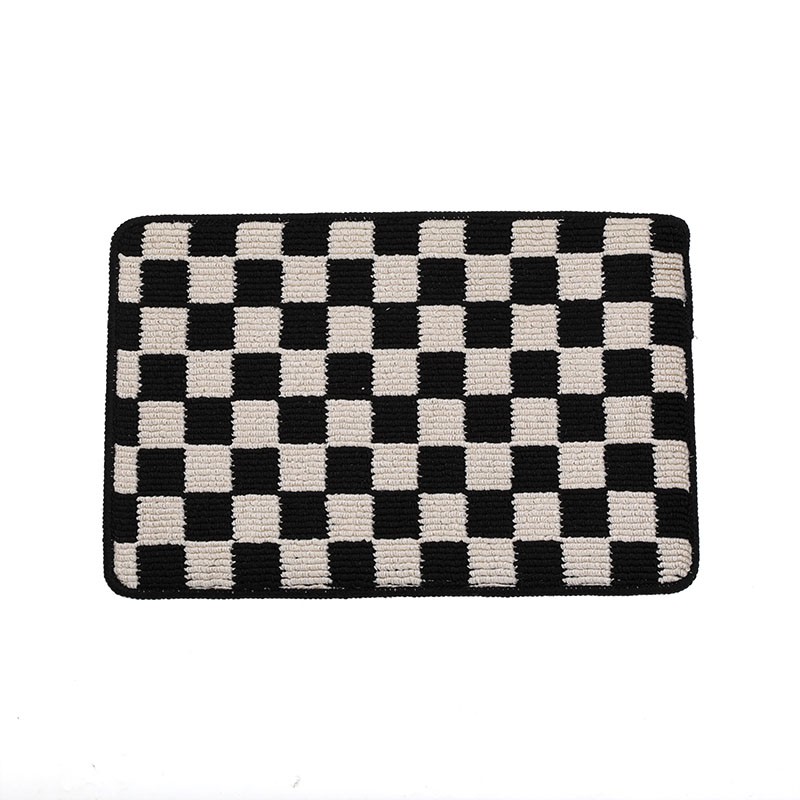
When a stain occurs on a yarn dyed carpet, it can be challenging to match the cleaning method to the specific type of yarn and dye. Different dyes may react differently to cleaning agents, and using the wrong one can damage the carpet. Also, the tight weaves of some yarn dyed carpets can trap dirt and debris deep within the fibers, making it harder to vacuum them out completely. This means that regular professional cleaning may be required, which adds to the overall cost of ownership.
Environmental Impact
The production of yarn dyed carpets also has a significant environmental impact. The dyeing process uses a large amount of water, energy, and chemicals.
The water used in dyeing is often contaminated with dyes, heavy metals, and other chemicals, which can be harmful to the environment if not properly treated. Additionally, the energy required for heating the water during the dyeing process and running the weaving machines contributes to a larger carbon footprint. As more and more consumers are becoming environmentally conscious, this can be a major drawback for yarn dyed carpets.
Compatibility with Other Decor Elements
Yarn dyed carpets, with their bold and often complex patterns, can sometimes be difficult to match with other decor elements in a room.
The strong colors and patterns can dominate a space, making it challenging to coordinate with furniture, wall colors, and other accessories. For example, if you have a small room with a busy yarn dyed carpet, it can make the room feel even smaller and more cluttered. This lack of compatibility can limit the use of yarn dyed carpets in certain design schemes.
Despite all these disadvantages, yarn dyed carpets still have their unique charm and appeal. They offer a level of quality and craftsmanship that is hard to find in other types of carpets. If you're willing to overlook the drawbacks and are looking for a high - end, long - lasting flooring option, then a yarn dyed carpet might be the right choice for you.
If you're interested in learning more about our yarn dyed carpets or have any questions regarding the products, feel free to reach out for a procurement discussion. We're always here to help you find the perfect carpet for your needs.
References
- Carpet and Rug Institute. "Carpet Manufacturing Processes."
- Textile Research Journal. "Color Fastness and Dyeing Techniques in Textiles."
- Interior Design Magazine. "Flooring Options: Pros and Cons."
