

As a woven rugs supplier, dealing with backorders is an inevitable challenge in the business. Backorders occur when customer demand exceeds the available inventory, leaving orders unfilled at the time of purchase. While backorders can be frustrating for both customers and suppliers, effective management strategies can turn this challenge into an opportunity to strengthen customer relationships and improve overall business operations.
Understanding the Causes of Backorders
Before delving into the strategies for handling backorders, it is crucial to understand the root causes. In the woven rugs industry, several factors can contribute to backorders. Seasonal demand fluctuations are common, with certain times of the year experiencing higher sales volumes. For example, the holiday season often sees a surge in demand for decorative rugs. Unforeseen spikes in popularity of specific rug designs, such as the Striped Rugs for Bathroom, can also lead to inventory shortages.
Supply chain disruptions are another significant factor. Delays in raw material procurement, such as yarn or dyes, can slow down the production process. Natural disasters, labor strikes, or transportation issues can all disrupt the supply chain and cause backorders. Additionally, inaccurate sales forecasting can result in understocking, leaving suppliers unable to meet customer demand.
Communicating with Customers
Clear and timely communication is key when dealing with backorders. As soon as a backorder situation arises, it is important to inform the customer. Provide them with accurate information about the expected delivery date, including any potential delays. Transparency builds trust and helps manage customer expectations.
Send a personalized email or message to the customer, explaining the situation and apologizing for the inconvenience. Offer them alternatives, such as similar rug designs or expedited shipping options once the product is back in stock. Provide regular updates on the status of their order, keeping them informed every step of the way.

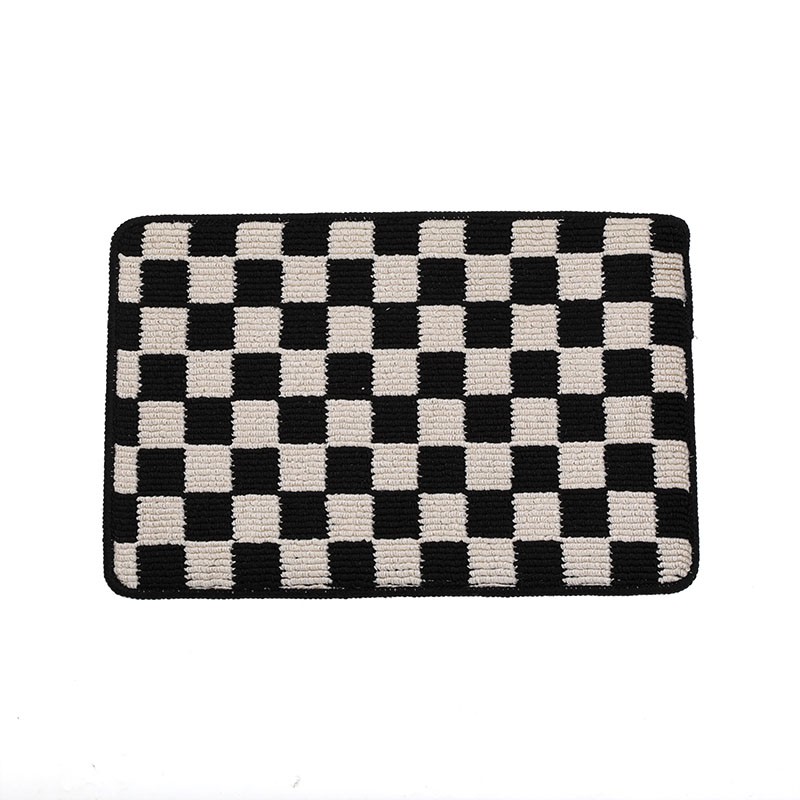
For example, if a customer has ordered a Striped Bath Mat Rug Set that is on backorder, you could send them an email saying, "Dear customer, we regret to inform you that the striped bath mat rug set you ordered is currently on backorder. Due to high demand, we are experiencing a temporary shortage of this product. However, we expect it to be back in stock within [X] weeks. In the meantime, we have a similar set available that you may be interested in. If you would like to switch your order, please let us know. We will keep you updated on the status of your order and notify you as soon as it is ready to ship."
Prioritizing Orders
When dealing with backorders, it is important to prioritize orders based on several factors. First, consider the customer's relationship with your business. Long - term, high - volume customers should be given priority. These customers are more likely to continue doing business with you in the future, and satisfying their needs can help maintain their loyalty.
Next, prioritize orders based on urgency. If a customer needs the rug for a specific event or deadline, make every effort to fulfill their order as quickly as possible. This could involve expediting production or using alternative shipping methods.
Finally, consider the profitability of the order. While it is important to satisfy all customers, focusing on orders that are more profitable can help offset the costs associated with backorders.
Managing Production
To reduce the occurrence of backorders, it is essential to manage production effectively. Improve your supply chain management by building strong relationships with your suppliers. Work closely with them to ensure a steady supply of raw materials. Consider signing long - term contracts or agreements to secure the availability of key materials.
Invest in inventory management systems that can help you track inventory levels in real - time. Use historical sales data and market trends to improve your sales forecasting. This will allow you to anticipate demand more accurately and adjust your production levels accordingly.
When faced with a backorder situation, consider increasing production capacity. This could involve hiring additional workers, extending production hours, or outsourcing some of the production to a reliable third - party manufacturer. However, be careful when outsourcing, as it can introduce quality control issues.
Offering Incentives
To compensate customers for the inconvenience of backorders, consider offering incentives. This could include discounts on future purchases, free shipping, or a small gift with their order. These incentives can help ease the customer's frustration and encourage them to continue doing business with you.
For example, you could offer a 10% discount on the customer's next purchase or free express shipping on their backordered item once it is in stock. This shows that you value their business and are willing to go the extra mile to make up for the delay.
Analyzing and Learning from Backorders
After resolving a backorder situation, take the time to analyze what went wrong. Identify the root causes of the backorder and develop strategies to prevent similar situations from occurring in the future. Look for patterns in your sales data, production processes, and supply chain management to find areas for improvement.
Regularly review your inventory management and production planning processes. Make adjustments as needed to ensure that you are better prepared to handle fluctuations in demand. Continuously monitor your supply chain for potential risks and develop contingency plans to mitigate them.
Conclusion
Dealing with backorders is a complex but manageable challenge for woven rugs suppliers. By understanding the causes of backorders, communicating effectively with customers, prioritizing orders, managing production, offering incentives, and learning from each situation, you can turn backorders into an opportunity to strengthen your customer relationships and improve your business operations.
If you are interested in purchasing our Woven Rugs, we invite you to contact us for more information and to discuss your specific requirements. Our team is ready to assist you in finding the perfect rugs for your needs.
References
- Chopra, S., & Meindl, P. (2016). Supply Chain Management: Strategy, Planning, and Operation. Pearson.
- Mentzer, J. T., & Kahn, K. B. (1995). Physical Distribution Management. Prentice Hall.
- Stevenson, W. J. (2018). Production/Operations Management. McGraw - Hill Education.
