

Memory foam rugs have gained significant popularity in recent years due to their unique properties and diverse applications. As a supplier of high - quality memory foam rugs, I often get asked whether a memory foam rug is good for yoga. In this blog, I'll explore the various aspects of using a memory foam rug for yoga, from its advantages to potential drawbacks.
Advantages of Using a Memory Foam Rug for Yoga
1. Comfort and Support
One of the most significant benefits of a memory foam rug for yoga is the unparalleled comfort it provides. Memory foam is designed to conform to the shape of your body, distributing your weight evenly. When you're in different yoga poses, such as downward - facing dog or child's pose, the foam will adjust to your body's contours, reducing pressure points. This is especially important during longer yoga sessions, as it helps prevent discomfort and fatigue. For example, when you rest your knees on a memory foam rug during a kneeling pose, the foam will cushion the joints, minimizing the stress on your knees.
Scientifically, evenly distributed weight means less force on specific areas of the body. According to research in ergonomics, reducing pressure on joints and muscles can lead to better blood circulation and reduced risk of injury. This is crucial for yoga practitioners, as proper alignment and support are essential for a safe and effective practice.
2. Shock Absorption
Yoga involves a lot of movement, including standing, sitting, and transitioning between poses. A memory foam rug has excellent shock - absorbing properties. When you move from one pose to another, the foam can absorb the impact, protecting your joints from the stress of sudden movements. For instance, when you jump back into a plank position, the rug will soften the landing, reducing the strain on your wrists, elbows, and ankles.
This shock absorption is based on the viscoelastic nature of memory foam. Viscoelastic materials can deform under pressure and then slowly return to their original shape. This property allows the foam to absorb and dissipate energy, making it an ideal surface for yoga practice.
3. Non - Slip Surface
Safety is a top priority in yoga. A good memory foam rug often comes with a non - slip bottom surface. This feature ensures that the rug stays in place during your practice, reducing the risk of slipping and falling. Whether you're sweating during a hot yoga session or simply moving around on the rug, the non - slip surface provides stability. It gives you the confidence to focus on your poses without worrying about the rug shifting beneath you.
Many memory foam rugs are also treated with anti - slip coatings or have a textured bottom layer. These features increase the friction between the rug and the floor, keeping it firmly in position.
4. Hygiene
Memory foam rugs can be a hygienic choice for yoga. Some of our memory foam rugs, like the Machine Washable Bath Rug Set for Bathroom, are machine - washable. This means you can easily clean the rug to remove sweat, dirt, and bacteria. Maintaining a clean surface is important for your health, especially if you practice yoga regularly at home.

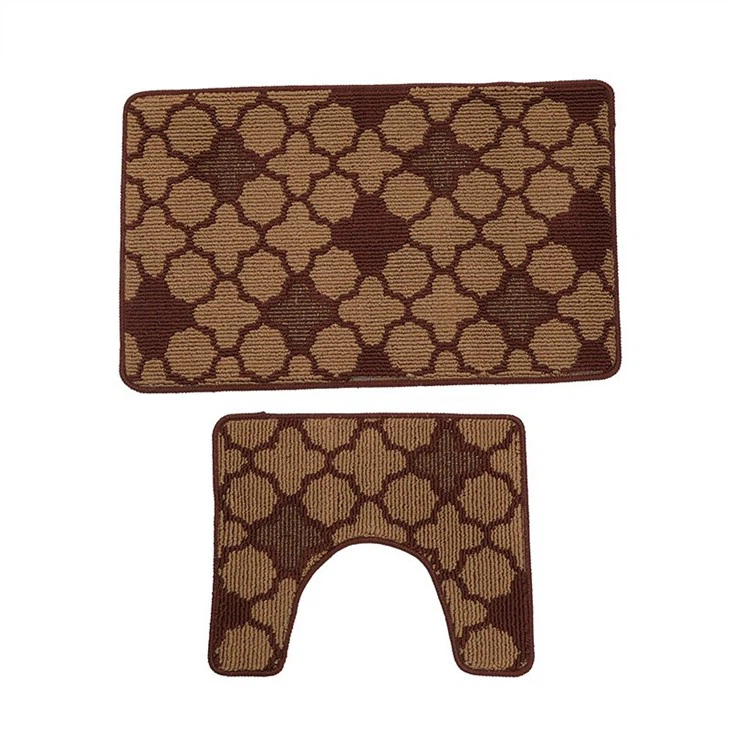
Regular washing can also help extend the lifespan of the rug, as it prevents the build - up of dirt and grime that can degrade the foam over time.
Potential Drawbacks of Using a Memory Foam Rug for Yoga
1. Heat Retention
Memory foam has a tendency to retain heat. During a yoga session, especially a hot yoga session, this can be a drawback. The heat can make you feel uncomfortable and may even cause excessive sweating. The foam traps the body heat, and it may take some time for the rug to cool down.
However, some memory foam rugs are designed with breathable materials or ventilation channels to address this issue. These features allow air to circulate through the foam, reducing heat retention.
2. Durability
While memory foam is generally durable, it may not last as long as some traditional yoga mats. Over time, with repeated use and pressure, the foam can start to lose its shape and resilience. This may affect the support and comfort it provides. But if you choose a high - quality memory foam rug, like our Brown Memory Foam Bath Mat, and take proper care of it, you can expect a relatively long lifespan.
Comparing Memory Foam Rugs with Traditional Yoga Mats
1. Thickness and Support
Traditional yoga mats are usually thinner compared to memory foam rugs. Memory foam rugs offer more thickness, which means more support and cushioning. However, some yoga purists prefer the thinner mats as they believe it provides a closer connection to the floor and better proprioception (the sense of body position).
2. Portability
Traditional yoga mats are generally more portable than memory foam rugs. They are lighter and easier to roll up and carry around. If you frequently practice yoga in different locations, such as a yoga studio or a park, a traditional mat may be a more convenient choice. On the other hand, if you mainly practice at home, a memory foam rug can be a great addition to your yoga space.
Choosing the Right Memory Foam Rug for Yoga
1. Density
The density of the memory foam is an important factor to consider. Higher - density foam generally provides better support and durability. A density of at least 4 - 5 pounds per cubic foot is recommended for a yoga rug. Higher - density foam will also be less likely to flatten out over time.
2. Size
Make sure to choose a rug that is large enough for your yoga practice. A standard yoga mat is usually around 68 inches long and 24 inches wide. You may want to consider a larger rug, especially if you like to have some extra space around you during your practice.
3. Quality and Brand
As a supplier, I always recommend choosing a high - quality memory foam rug from a reputable brand. A good brand will use high - grade materials and have strict quality control measures in place. This ensures that you get a rug that meets your expectations in terms of comfort, support, and durability.
Conclusion
In conclusion, a memory foam rug can be a great option for yoga, offering comfort, support, shock absorption, and a non - slip surface. While it has some potential drawbacks, such as heat retention and durability issues, these can be mitigated by choosing the right rug and taking proper care of it.
If you're interested in purchasing a memory foam rug for your yoga practice, I encourage you to reach out to us for more information. We have a wide range of memory foam rugs that are suitable for yoga, and our team can help you choose the perfect one for your needs. Contact us to start a discussion about your requirements, and we'll be happy to assist you in finding the ideal memory foam rug for your yoga journey.
References
- Ergonomics research on weight distribution and joint support in various surfaces.
- Studies on the viscoelastic properties of memory foam and its shock - absorbing capabilities.
- Industry standards for non - slip surfaces in home and fitness products.
