

Yo, folks! As a supplier of memory foam rugs, I get a ton of questions from customers. One question that pops up quite often is, "Do memory foam rugs attract dust mites?" Well, let's dig into this topic and find out the real deal.
First off, let's talk about what dust mites are. Dust mites are tiny critters that are almost invisible to the naked eye. They love warm, humid environments and feed on dead skin cells. You know those little flakes of skin we shed every day? Yeah, that's like a five - star meal for dust mites. They can be found pretty much everywhere in our homes, from our beds to our sofas.
Now, when it comes to memory foam rugs, the material itself doesn't inherently attract dust mites. Memory foam is a synthetic material that's made by combining polyurethane with other chemicals to create a soft, cushiony texture. It doesn't have any natural fibers or substances that would specifically draw dust mites in.
However, the environment where the memory foam rug is placed can play a big role. If you put your memory foam rug in a damp, poorly ventilated area, it can create the perfect breeding ground for dust mites. For example, bathrooms are often humid places. If you have a Brown Memory Foam Bath Mat in your bathroom and you don't dry it properly after each use, moisture can get trapped in the foam. This moisture, along with the dead skin cells that might end up on the rug from your feet, can attract dust mites.

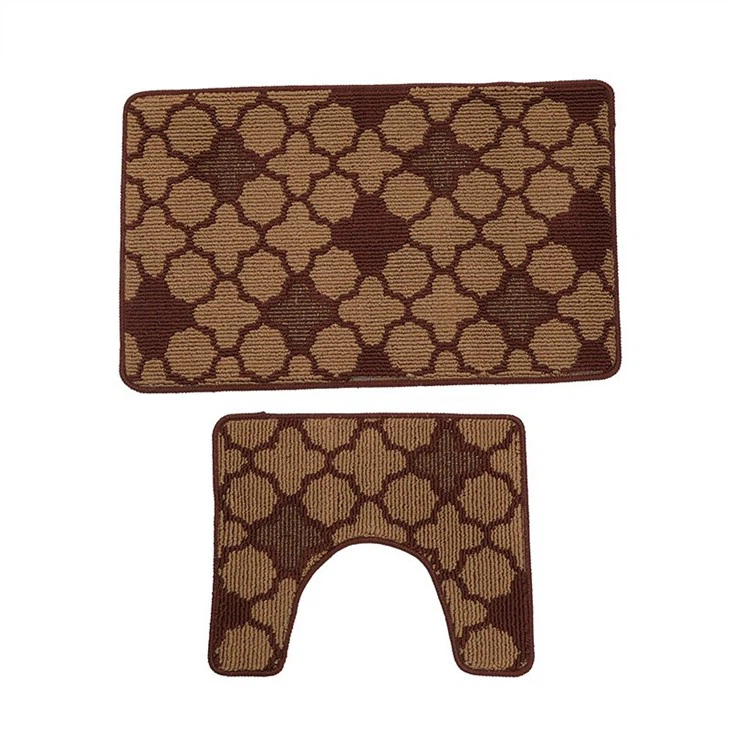
But don't worry! There are ways to prevent dust mites from making your memory foam rug their home. One of the easiest things you can do is keep the area well - ventilated. Open windows in your bathroom or use an exhaust fan to reduce humidity. Another tip is to clean your rug regularly. Most of our memory foam rugs, like the Machine Washable Bath Rug Set for Bathroom, are machine - washable. This makes it super easy to get rid of any dust, dirt, and dead skin cells that could attract dust mites.
When you wash your memory foam rug, make sure to use a mild detergent. Harsh chemicals can damage the foam and reduce its lifespan. Also, let the rug dry completely before putting it back in place. You can lay it flat in a sunny area or use a low - heat setting on your dryer if it's safe to do so.
Some people also like to use anti - allergen sprays on their rugs. These sprays can help kill dust mites and reduce the number of allergens in your home. But be careful when using them. Read the instructions carefully and test the spray on a small, hidden area of the rug first to make sure it doesn't cause any discoloration or damage.
Now, let's talk about the benefits of memory foam rugs. They're incredibly comfortable. When you step on a memory foam rug, it molds to the shape of your feet, providing support and reducing pressure on your joints. This is especially great if you have to stand on hard floors for long periods of time.
Memory foam rugs are also very durable. They can withstand a lot of wear and tear, which means they'll last you a long time. And with proper care, you can keep them looking and feeling great for years to come.
In addition to being comfortable and durable, our memory foam rugs come in a variety of styles and colors. Whether you're looking for a simple, neutral rug to match your bathroom decor or a bold, colorful one to add a pop of personality to your room, we've got you covered.
So, to answer the question, "Do memory foam rugs attract dust mites?" It's not the rug itself that attracts them, but the environment and how you take care of the rug. With a little bit of effort, you can keep your memory foam rug dust - mite free and enjoy all the benefits it has to offer.
If you're interested in purchasing our memory foam rugs, we'd love to have a chat with you. We can help you find the perfect rug for your needs and answer any other questions you might have. Just reach out to us, and let's start the conversation about making your home more comfortable and stylish with our high - quality memory foam rugs.
References
- "Dust Mites: Facts and Prevention." American Academy of Allergy, Asthma & Immunology.
- "Memory Foam: Properties and Uses." Journal of Materials Science.
